Q1. In UDL Theory and Practice –
What are the key points you took away from the examples?
What changes would you make in how learning was assessed in this situations?
To best assess learning, understanding the means behind assessment of formative (during instruction to make adjustments in teaching) and in summative (measures educational performances once instruction is completed) which are both process to gather information on a student’s performance. When the assessments are viewed separate it can create barriers to teachers and students. One of the key points that I took away from the UDL Theory and Practice assessment section is the conjunction of assessments designed to enhance teaching and learning (Meyer, Rose, & Gordon, 2014). Often, educators assess students with pre and post assessments to have an idea of where their students are prior to a lesson and after a lesson. The ability to assess by design is part of UDL, which. This means that the UDL model with assessments is based on the curriculum performance, and not student performance.
Another key point is the formal structure of formative assessment of progress monitoring. This supports as regular check ins on how the student is doing, but also how is the educator doing. Observable measure in students’ performance and instruction can lead to well performances at the end of a unit or summative assessments. Though, providing supports to students such as scaffolding and mentorships helps students learn to evaluate their effort and persistence over time, which evolves to acquire a sense of autonomy of their learning (Meyer, Rose, & Gordon, 2014).
It is a good idea to revisit assessments from a UDL perspective, as assessments should be:
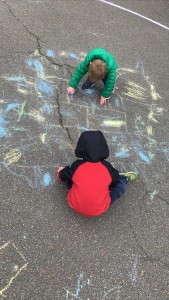
Students: “We’re making a grocery list”
– Ongoing and focused on learners progress:
Provides students’ comprehension and learning evolution. Offers opportunities into efficacy of instruction for adjustments and keep students on track of instructional goals. Helpful tools to support ongoing & focused on learners progress are:
i. Observe and talk to students in a direct way
ii. Ask students what they know and what they are doing
iii. Check for students understanding, are learning needed skills, and are
engaged in the work.
iv. Student portfolios, project-based learning, and self-assessment
journals (ongoing actionable information about students’ learning.)
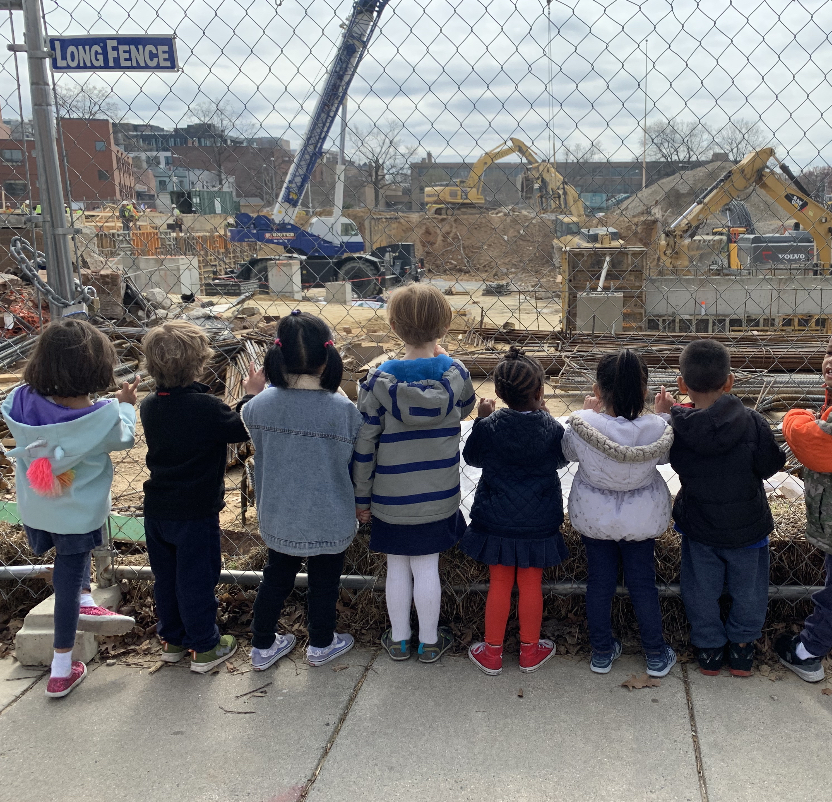
– Measures product and process:
Examining interactions between students and the learning environment over time, assess performance but also what underlies performance and cues, strategies, motivation, interaction that effects different aspect of curriculum. Identifying engaging activities, changes in content presentation can support, and feedback and supports to build skills.
– It is flexible:
Considering learner variation in affective, recognition, and strategic networks, we must focus on how assessments need to be adjusted to meet learner variability. This is important to obtain accurate data about what students understand and are able to do. Assessments should provide various opportunities in varied media for skills and self-expression to be demonstrated by learners. Digital tools help learner expression in various formats such as open responses, graphic organizers, drawings, events, information.
It is demonstrated in recent research “strong evidence that creating assessments that are flexible enough to allow for customization increases their relevance for students, heightens student engagement, and can improve student performance” furthermore, it accurately represent what learners know and are able to do (Meyer, Rose, & Gordon, 2014, pp. 74).
– It is construct relevant
Assessments are critical as part of the curriculum and instruction based to support all learners. Therefore, an assessment must be clear and on target t to measure construct affect, concept knowledge, or skill that it is intended to measure. Components to support representation of construct assessment must be in place for accurate measures such as:
- A student interacts with a stimulus, problem, question, or task
- The assessment requires action related to the construct
- Student yields a response that is observable and measurable
- Scorer views response and creates a quantitative score
- The score is an indicator of student knowledge, understanding, or mastery of the construct measured
(Meyer, Rose, Gordon, 2014)
When a barrier arrises in any component the accuracy of the measure will fail. This means that “if an assessment construct is not clearly defined and construct-irrelevant factors are left unsupported, assessments cannot provide an accurate representation of all students’ affect, skills, and comprehension” (Meyer, Rose, Gordon, 2014, pp. 75).
– Actively inform and involve learner
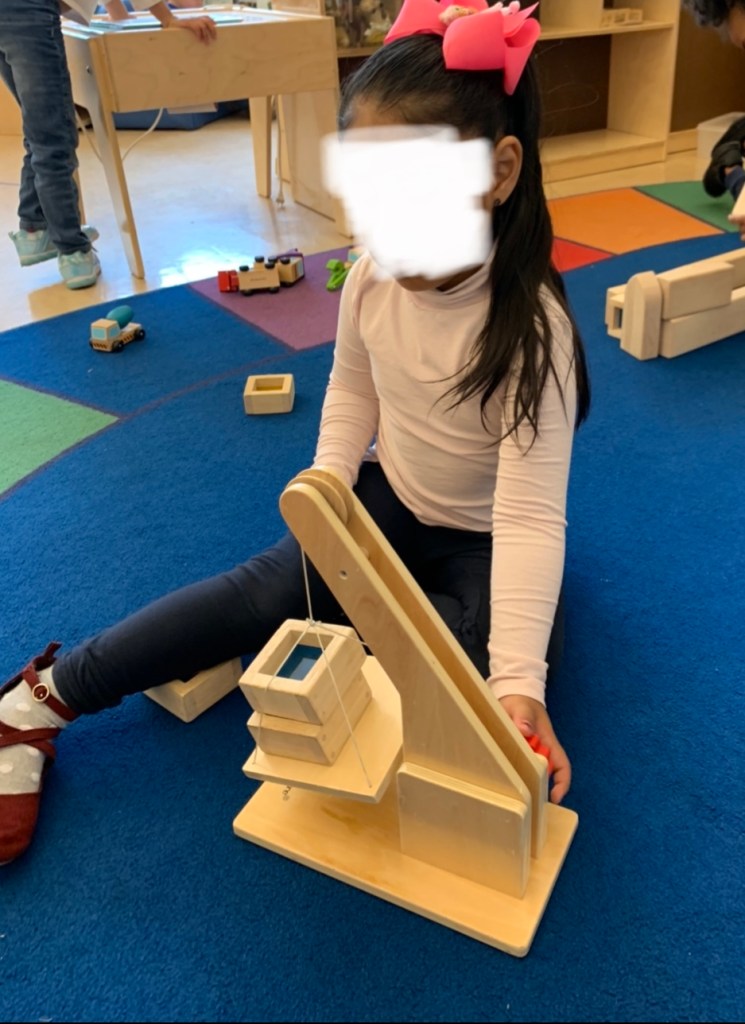
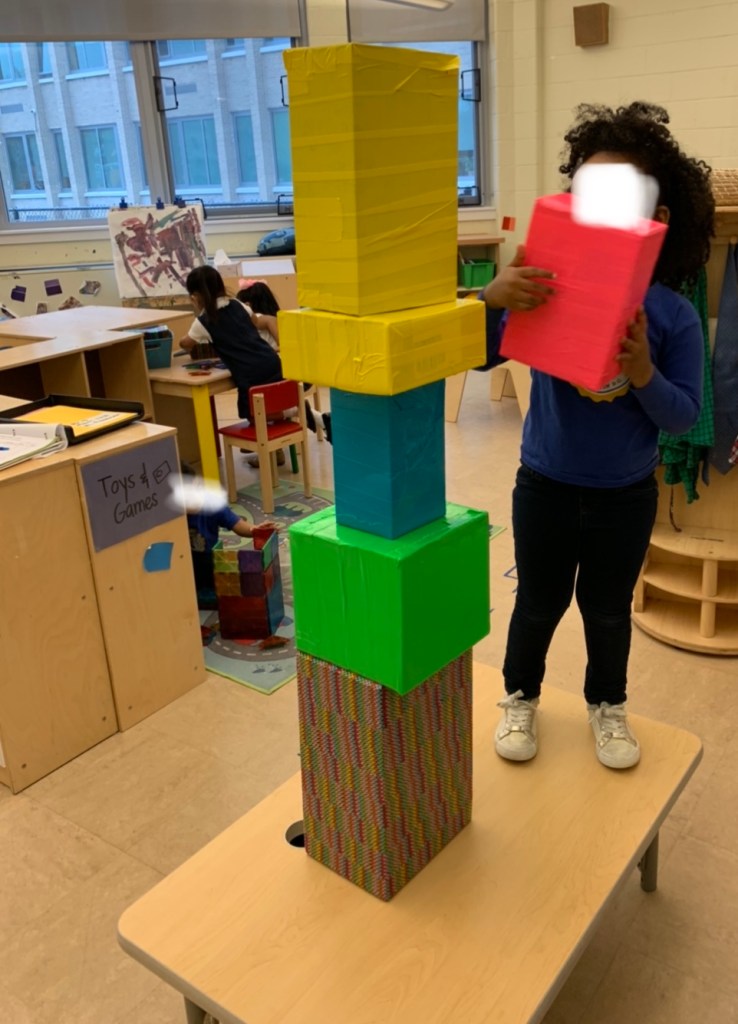
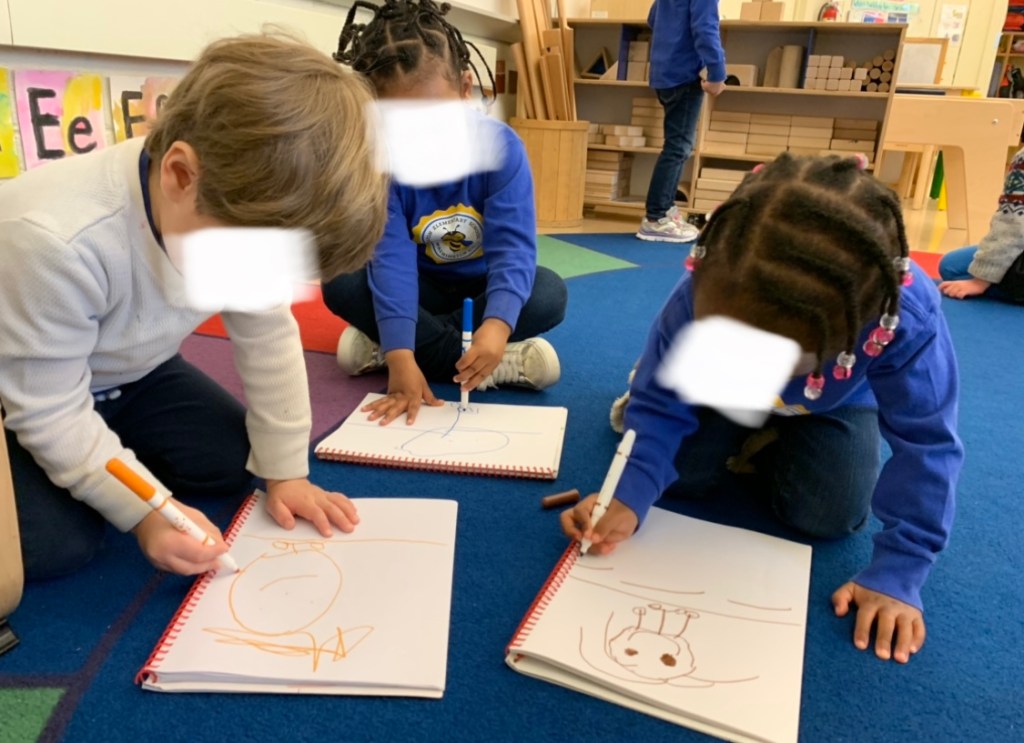
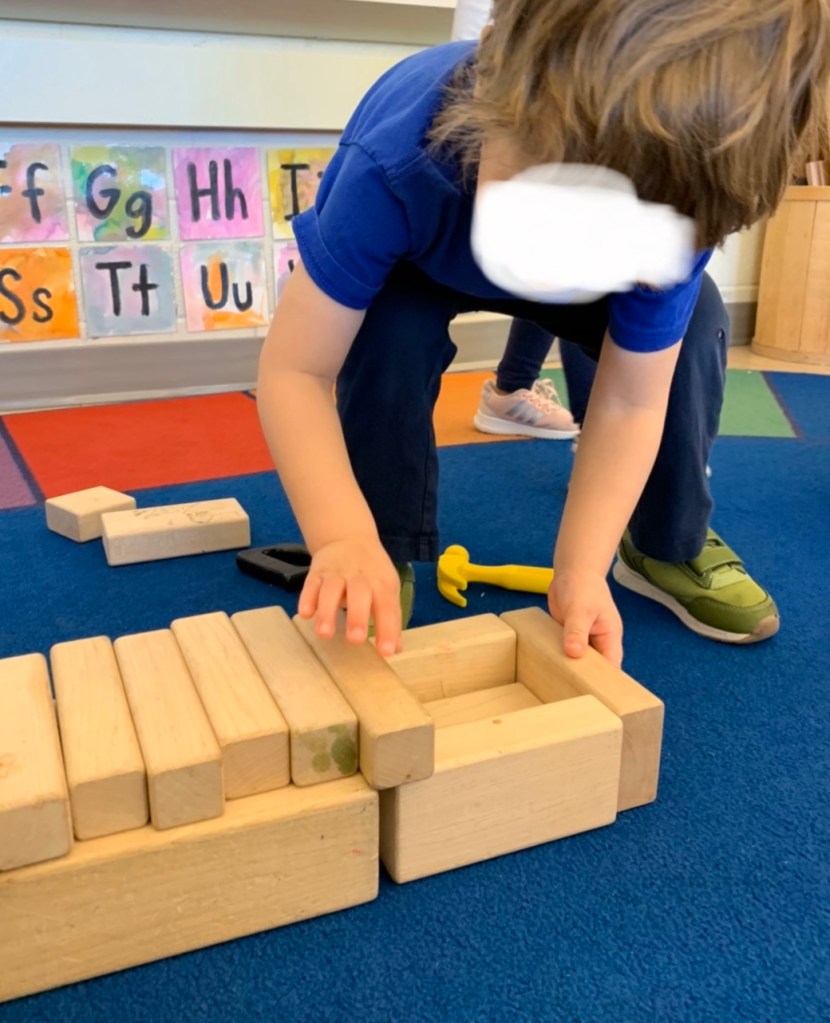
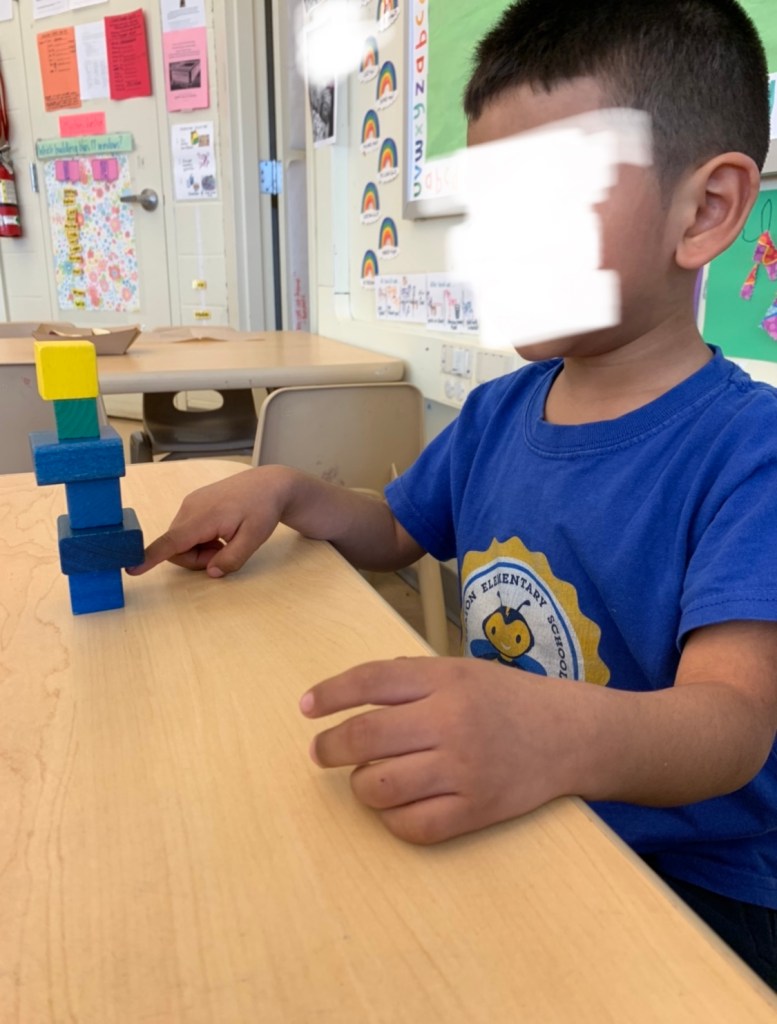
Figuring out ways to teach effectively includes openly sharing feedback to enable teachers and students to evaluate their work. The ongoing support of progress monitoring provides various opportunities to demonstrate their skills and understanding. In the picture slide show below, you will find my preschoolers engaging in multiple ways (drawing/writing, building with various size/types of blocks, and art) to express their knowledge on our building unit. Their work is saved as progress monitoring and evaluate their knowledge over time. This supports evaluating their own work to support their abilities and expectations. Their work is saved in their portfolios and used as ongoing progress monitoring.

Q2. Based on selected article –
What were important assessment messages?
Assessment approaches focus (formative or summative)
How to incorporate suggestions into the design of my own lesson?
The article I selected is “Addressing the Variability of Learners in Common Core-Aligned Assessments: Policies, Practices, and Universal Design for Learning” by CAST. The important assessment messages this article shares revolve on the Common Core PARRC testing and the five identified factors that should be addressed from the outset by PARCC and SBCA when creating assessments. The important messages are in the 5 critical factors of common core PARCC assessment: (1) Prioritize formative assessments as part of instruction, (2) Capitalize on the use of technology-based assessments, (3) Consideration of assessment impact on classroom instruction, (4) Potential negative effects of computer-adaptive testing on subgroups, (5) Ensure accuracy, reliability, and precision with constructs for all students.
- Prioritize formative assessments as part of instruction – Formative assessment allows educators to evaluate knowledge and skills ongoing and set preparation for college and career ready standards. In contrast to summative assessments, it provides a score based on that performance at the end of insturction. Additionally, well designed formative assessments benefits teachers, students, parents and administrators.The supports of formative assessemnts brings forward information about performance during instructional modifications, changes, and alterations in instruction and goals. This also brings the importance of assessment data collection, and ability better learning and instructional practices for all students.
- Capitalize on the use of technology-based assessments – Technology based assessments have the capacity and flexibility to facilitate access to all learners, that include students with sensory, physical, and learning disabilities. The use of assistive technology during assessments should ensure it does not impede the availablity of supports needed for students; with technical standards need to be established. Allowing only specific AT devices where construct validity is not violated, limitations of AT should not be implemented because it denies students the opportunity to use technology and does not support in preparation for college and career readiness.
- Consideration of assessment impact on classroom instruction – There are best practices that support and suggests assessment accommodations to align with those accommodations received in instruction in the classroom. There is also restrictions on assessment policies and procedures, which instruction practices can limit and impact decision-making of the IEP team. Limitation of assessment practices can create conflict between the use of technology in instruction and the availability on assessments, which prevents schools from being innovative in multimedia tools to support all learners. However, access is not the only presented barrier, but also the teaching and practice use prior to the use during assessments should be considered. Creating those restrictions, that are received in the classroom, violates their rights under the IDEA and Section 504 as it impacts assessment on instruction.
- Potential negative effects of computer-adaptive testing on subgroups – Computer-adaptive testing (CAT) approaches reported efficient and accurate with responses with multiple choice and short answer limitations. In mind of sub-populations, other students with different needs and skill sets may face barriers and fail basic items without having an opportunity to exhibit skills on higher level tasks.
- Ensure accuracy, reliability, and precision with constructs for all students – Assessments including the Common Core should align with precision in respect to the identification of intend constructs of assessment items. Without alignment and precision, the outcomes will be irrelevant for some students and will result in scores to be invalid, and in violation of students rights under IDEA and Section 504
(CAST, 2013).
The article emphasizes on the need for students to have access to their accommodations in assessments (formative and summative) as they have in classroom instruction. For example, one of my students has a vision impairment on the left side. Therefore, we work on presenting information to his right side, where he has vision and ability to access and view information presented. If this accommodation is not taken into account during assessment (formative or summative), there is a violation of the students’ rights under the IDEA and Section 504. This allows for teachers to put in practice the students accommodations, and to practice during instruction. The same accommodations for classroom instruction can be practiced so that student has access to the same accommodations during testing. This will provide students to perform to the best of their abilities. In addition, the practice of technology in the classroom is highly important. Another example I have is of my son, Adrian. He is currently learning to use the calculator as it is one of the accommodations he will have access during testing. He can have the accommodation of a calculator, but if he is not taught and does not have practice with the calculator, the accommodation becomes inaccessible. This is why accommodation and access go hand in hand, and with the supports of classroom practice, students will be able to access their accommodations.
Q3. Examples of observable assessment measures based on Dr. Jenna Gravel presentation –
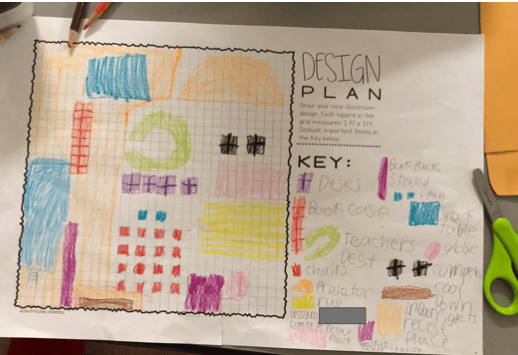
Some examples of assessment measures I observed were the scale drawings of the student’s ideal classrooms in the 1st grade examples. Students were able to produce their classrooms with important aspects related to their needs (i.e. “stop in think” space, bookshelves, carpet space). The illustration students developed were within the ratio of one square to equal to 1 foot by 1 foot (Gravel, 2020).
The students worked on drawing plans or the dot markings activity also showed effective assessment that provides variation and recognition (Meyer, Rose, & Gordon, 2014). The students work can be taken as a means for individual support. For example, the student that drew the bookshelf, indicates in the drawing that books are important to this student. Another student drew the “stop in think” that promotes a safe classroom to reflect on one’s choices prior to a behavior. Another example showed a student that drew in place bicycles for movements in the classroom. The students work demonstrates partial learning styles, materials that are important, and kinesthetic needs of their body.
References:
CAST (2013). Addressing the variability of learners in Common Core-aligned assessments: Policies, practices, and universal design for learning. Policy Statement. Wakefield, MA: Author.
Gravel, J. (2020). Exploring UDL at the Classroom Level [Google Slides]. George Washington University Universal Design for Learning: Blackboard http://blackboard.gwu.edu
Meyer, A., Rose, Gordon, (2014). Universal Design for Learning: Theory and Practice. Wakefield, MA: CAST Professional Publishing.
 Ivonne's Blog
Ivonne,
You raised some interesting connections between progress monitoring and the increased performance on the summative assessment at the end of the unit. It not only is an assessment of how the students are performing but more often how well the lesson was presented in a means that was relative for the student, therefore engaging them with, allowing them to interactive with and express what they gained from the lesson. How well the lesson actually allowed them to explore the topic.
I agree that construct relevance is a huge factor to keep conscious when looking at assessing students. What barriers are encased in the assessment itself that would cause the student to not be able to exhibit their knowledge. I think that as teachers, we want the proof of learning, as teachers many of us want the written work that shows the level the students understand. As those kind of scores are easily managed, are less subjective, and undoubtedly show the level at which the student can answer the question. Many of the tests we give at the end of the chapter, or unit often do measure that for some of the students, while the others are lost behind the format, the questions, or the context of the test itself.
Within your discussion of accommodations within assessments, you made a very valid point, if the student is not versed in the use of the accommodation, the accommodation may in fact become a hinderance to the student. Extended use and practice is necessary for any tool to be effective.
Great post, and thanks for sharing the pics of your students in action. I really enjoy seeing all of the things they get up to.
Regards,
Jeannine
LikeLike
Hi Jeannine,
Thank you for your detailed response! Im glad you were able to see the connections from our weeks work and the validity of construct relevance in my discussion. I enjoy sharing the pictures of my students, as I can see how my class receives a lot from my knowledge and how much of UDL is implemented. Im certain it looks very different in older grades, but I love to share the ECE side as well.
LikeLiked by 1 person
It’s brilliant seeing it at that level. Great Job!
LikeLike
Ivonne,
I really enjoyed reading your blog and found it very informative. Reading your section regarding using technology in classroom assessment was also helpful. It is something I can see being used more as technology continues to developed and becomes more accessible.
LikeLike
Hi Brittany,
Yes, I love implementing different types of technology into my classroom. It supports learner variation, and acquires new skills for students to learn. I have students that do not use technology at home by parents choice, and some because they do not have the resources. In either case, I love that my students have instructional exposure to technology.
LikeLike
Very reflective post Ivonne. You’ve taken a deep analysis to each of these questions and highlighted some extremely important points around assessment. I love the inclusion of some examples in your classroom — so appropriate for the emphasis on authenticity and relevance. Your keen eye connecting the ways we consider accommodations and the flexibility of technological assessment measures is also spot on. Nice summary of the bigger picture points in these readings and resources. I appreciated having your input into Dr. Gravel’s talk and would love to share your perspectives with her if you approve?
LikeLike
Hi Dr. Smith,
The article was very informative and puts in perspective the supports needed for assessment and common core accommodation that should also be implemented for practice and support in the classroom. It was also informative in the manner that when it is not provided it is not in compliance as it is under IDEA and Section 504. And of course, you can share with Dr. Gravel as well, it was a great discussion to see students work as it relates to assessments.
LikeLike